Reading Off Road Truck Experts
As you look for lift kits and truck accessories in Reading, first decide whether a leveling option or complete suspension lift is right for you. A leveling kit corrects factory rake and maintains daily handling, while a suspension lift provides clearance, wheel travel, and larger tire fitment. Make sure you have exact year, trim, drivetrain, and suspension details to verify Rough Country fitment. Plan your budget for tires, alignment, and add-ons including steps, lights, or liners—you'll see how the right setup takes shape.
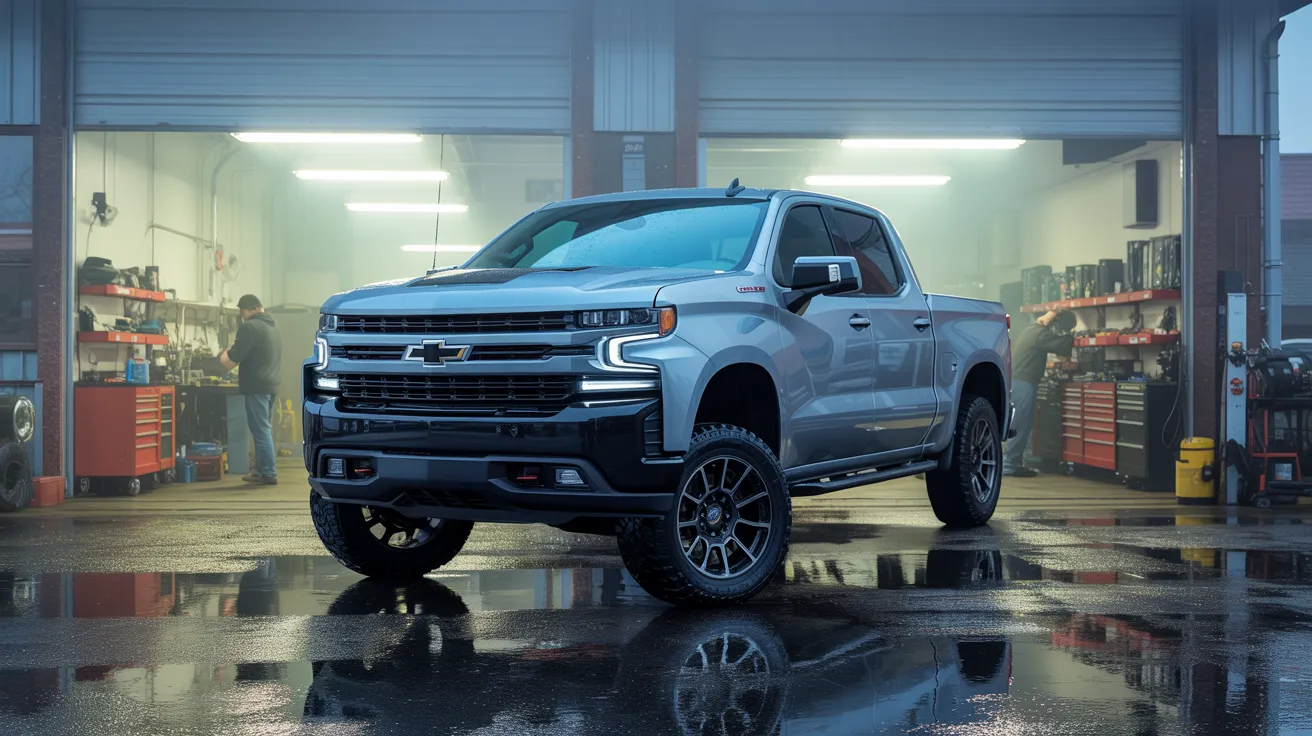
Important Highlights
- Pick a leveling upgrade to correct factory rake while preserving near-stock performance and accommodating bigger tires for daily driving.
- Choose a suspension lift kit for added ground clearance, suspension articulation, and trail capability, recognizing that steering response may change.
- Validate exact fitment using your truck's year, model, make, drivetrain, trim, cab, bed, and suspension type prior to ordering your Rough Country parts.
- Match lift height and shocks to your application, whether commuting, mixed trail driving, towing, or heavier off-road travel.
- Reserve budget for more than the kit cost itself, with costs for alignment, labor, wheels, tires, shocks, and supporting accessories like steps, lights, and liners.
Suspension Lifts versus Leveling Kits
Even though both upgrades change your truck's look, suspension lift kits and leveling kits solve different problems and deliver unique results. A leveling system tends to raise the front to match the rear, rectifying factory rake with minimal change to geometry, ride height, and everyday drivability. You use one when you want a cleaner profile and capacity for bigger tires.
A suspension lift elevates the entire truck and changes critical parts to create more ground clearance and suspension travel. You'll notice larger advantages in ride height, off-road capability, and tire options, yet you will anticipate handling tradeoffs, steering changes, and a higher center of gravity. When you prefer mild visual correction, level it. When you require genuine clearance and articulation, lift it and plan the supporting modifications around your use case.
Which Rough Country lift kit matches your truck?
Kick off by noting your truck's year, manufacturer, and model, powertrain, and usage goals, as Rough Country engineers lift kits for specific platform requirements and performance goals. This baseline tells you which suspension components, brackets, and fasteners will mount properly without clearance or alignment issues.
Subsequently, review factory ride height, cabin and bed configuration, axle specification, and if your truck runs 2WD, 4WD, or adaptive suspension. Rough Country fitment guides make this easy, yet you need to validate component compatibility versus trim-level parts and factory package differences. A kit designed for a Silverado 1500 doesn't fit a Trail Boss, and a Ram running pneumatic suspension demands different provisions compared to a coil-spring vehicle. When you verify fitment upfront, you eliminate unexpected problems, compatibility issues, and reshipment delays.
Find the Rough Country lift kit that works with your driving habits.
Pair the kit with your driving style, and you'll enjoy superior ride quality, durability, and additional tire clearance without paying for features you won't need. If you mainly commute in your truck, pick a mild Rough Country leveling kit or a 2- to 3.5-inch suspension setup designed for commuting comfort and predictable steering geometry.
When you divide time between road and off-road use, go with a suspension system equipped with upgraded shocks and corrected arm angles. You'll gain stronger off road handling, better articulation, and room for larger tires without taxing stock components. For extensive off-road use, focus on raised struts, N3 or Vertex dampers, and suspension systems that preserve driveline geometry under load. A quality Rough Country package needs to match payload, speed, and terrain, and your tolerance for ride stiffness.
Premium Rough Country Truck Accessories
Enhance your lifted truck by adding Rough Country add-ons that tackle the real weak points you'll see once you lift it and add bigger tires. Focus on improved entry steps or skid plates, which restore ease of cabin entry and offer lower-body protection once your truck sits higher and wider.
Next, prioritize vision and control. Rough Country light systems expand visibility range on dark trails, job sites, and rural roads without complex setup. Cabin protection and floor liners safeguard inside surfaces from mud, gravel, and water you'll carry in after off-roading. Fender flares help contain tire throw and enhance the broader stance created by bigger rubber. For towing and recovery work, commercial-grade hitches, towing accessories, and bumpers that support winches add capability without compromising fitment. Go with products that align with your truck's new profile and load capacity.
How Much Should You Budget for Your Build?
Once you've picked the suspension kit and complementary parts, set a budget that covers more than the headline kit price. You'll need room for dampers, wheels, rubber, alignment, labor, and any drivetrain or steering corrections your platform requires. Brand reputation matters here; premium systems usually deliver tighter tolerances, improved comfort, and smoother installation. higher precision, better ride quality, and fewer install headaches.
Regarding realistic cost projections, expect basic spacer or leveling kits to start at lower prices, while comprehensive suspension packages with control arms, tuned dampers, and bigger tires increase fast. Installation complexity, labor costs, and calibration services may contribute significantly. You should also price additional upgrades such as gear swaps, brake parts, and recovery tools if you intend for off-road use. If cash flow matters, assess financing options meticulously and emphasize consistency over flashy add-ons.
Frequently Asked Questions
Can Lift Kits Affect Factory Warranty Coverage?
Yes, suspension kits can affect your factory warranty coverage, but they don't automatically void it. You face warranty implications if a dealer demonstrates the suspension modification led to or contributed to a malfunction. Powertrain, steering, suspension, and drivetrain claims often spark dealer disagreements. You should keep service documentation, choose quality parts, and stick to maintenance schedules. That helps you challenge denied claims and maintain protection in cases where the modification didn't cause the problem.
Do Larger Tires Require Re-Gearing My Truck?
Yes—should you jump several tire sizes, you'll typically need gear changes. For example, when you move from 31s to 35s, your vehicle may feel slow, hunt for gears, and put strain on the drivetrain when carrying weight. Re-gearing reestablishes effective gear ratios, enabling you to recover acceleration, towing power, and transmission response. You may skip regearing for modest tire increases, however, if performance, fuel mileage, or gear shifting decline, it's usually the right call.
How Frequently Should You Inspect Lift Parts?
You should inspect lift kit components after the first 500 miles, afterwards at every oil change or 3,000 to 5,000 miles, depending on your usage. Periodic inspections help you catch bushing wear, shock leaks, bracket discover this damage, and alignment issues ahead of time. Verify fastener tightness post-aggressive terrain driving, cargo hauling, or hard impacts. When you operate in muddy, salty, or challenging terrain regularly, tighten inspection schedules and inspect steering and suspension parts more frequently.
How does a lift kit affect towing or payload capacity?
Yes, a suspension lift can alter your truck's towing and payload limits. When you increase ground clearance for more ground clearance, you shift suspension alignment, weight balance, and force distribution on parts. That can reduce stability when loaded and add drivetrain strain, especially with larger tires. You should follow your manufacturer's ratings unless an engineered kit specifically documents new ratings. Proper alignment, transmission ratios, and braking function count as well.
Are wheel alignment Required Once You Install vehicle modifications?
Yes—if accessories modify ride height, suspension configuration, steering geometry, or tire size, you need an alignment. You'll notice the impact fast: slight changes can pull your truck off-center, scrub tread, and compromise handling. A proper wheel alignment brings back camber setting, caster, and toe to standard. After certain installs, you may also need brake recalibration for driver aid precision. You protect tire life, steering precision, and real-world safety by performing alignment checks promptly.
Summary
Picking the right suspension setup and accessories comes down to how you use your truck, what stance you want, and your available funds. When you connect a Rough Country system to your driving style, you'll gain strength, elevation, and visual appeal that work together like a well-tuned drivetrain. Add smart accessories, manage your expenses thoughtfully, and you'll build a truck that's practical on the road, competent outdoors, and ready for whatever job comes next.